Journal · Design · 03/04/2026
Cement-Coated Furniture: A Modern Design Trend
Microcement finishes bring the honest texture of cement to lightweight furniture — minimal, modern and surprisingly practical.
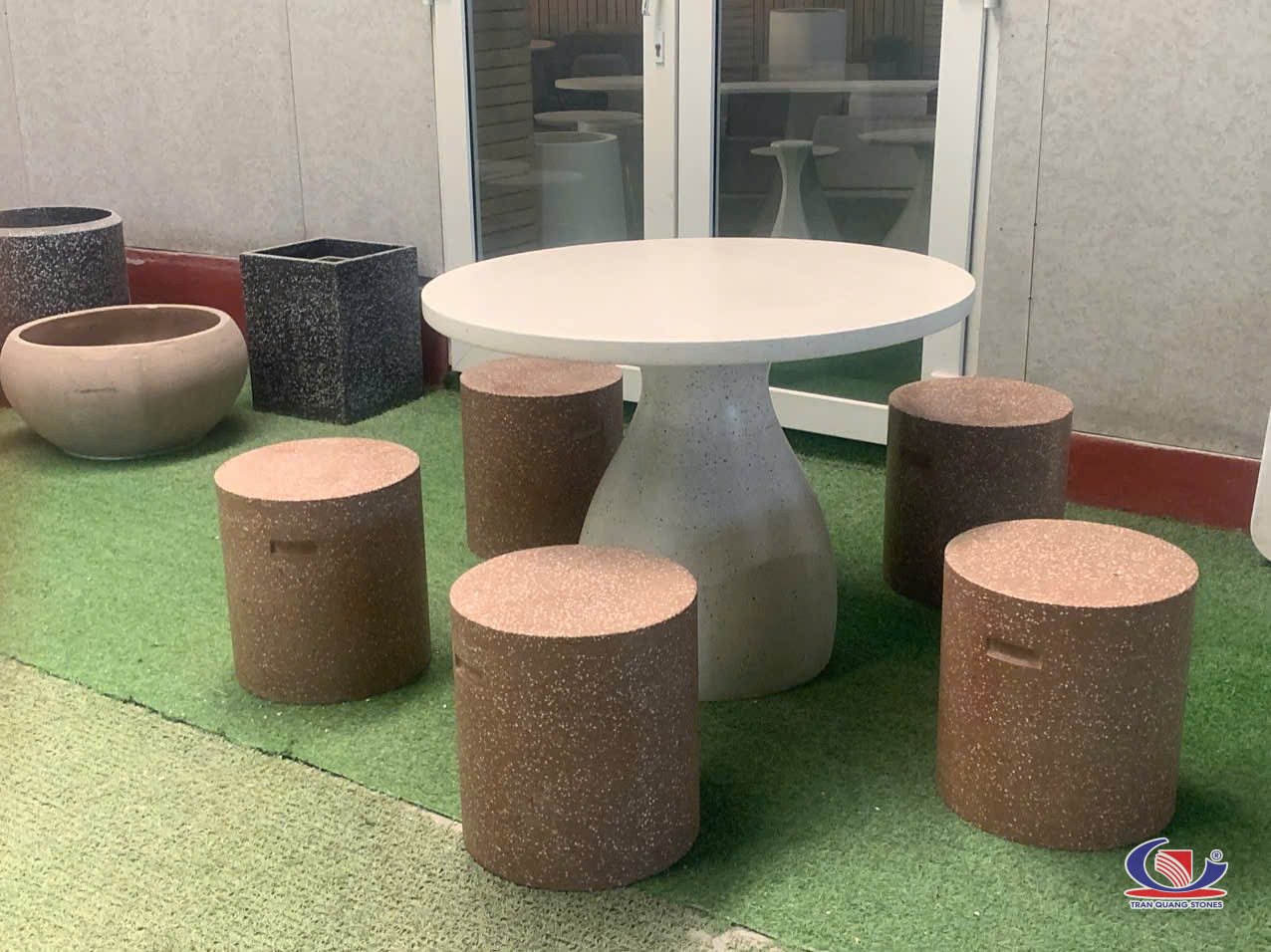
In contemporary interiors, materials once seen as raw and industrial are being used in more creative and refined ways. One of the strongest trends is cement-coated furniture — combining the understated beauty of cement with everyday practicality. Its minimal, modern look and durability have made it increasingly popular.
What is cement-coated furniture?
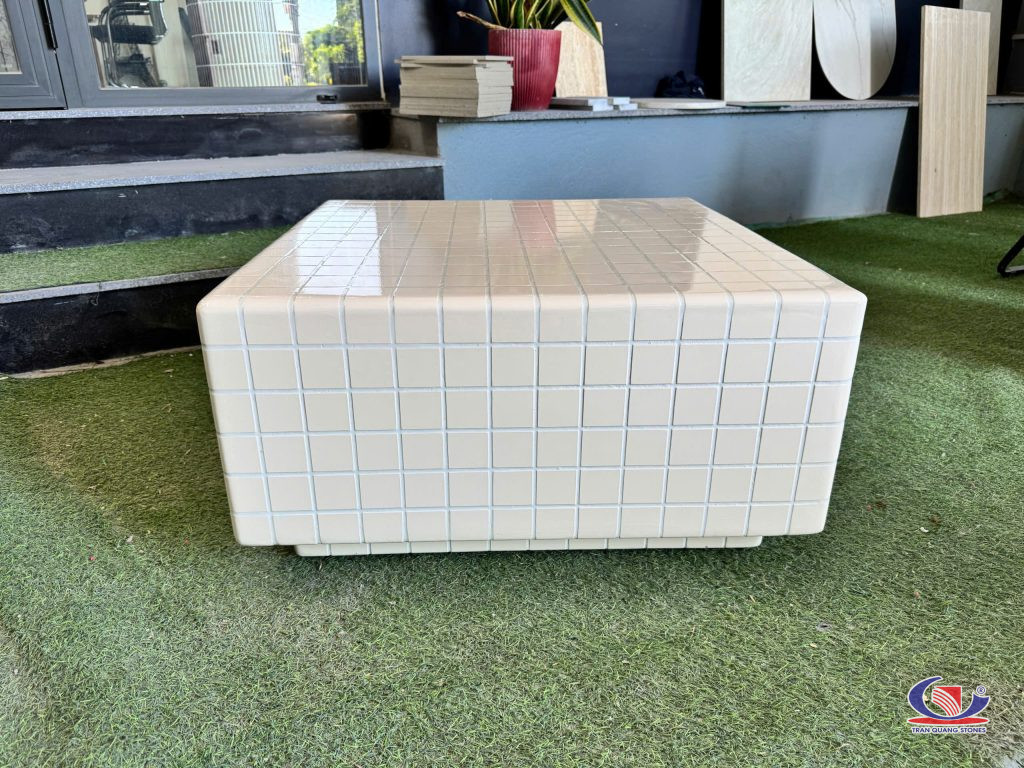
Cement-coated furniture uses a thin layer of cement — often called microcement — applied over tables, cabinets or kitchen tops. Unlike solid concrete furniture, which can be heavy and bulky, these pieces usually have a wood or metal core. This keeps the weight down while preserving the solid, stone-like appearance.
Aesthetics and design
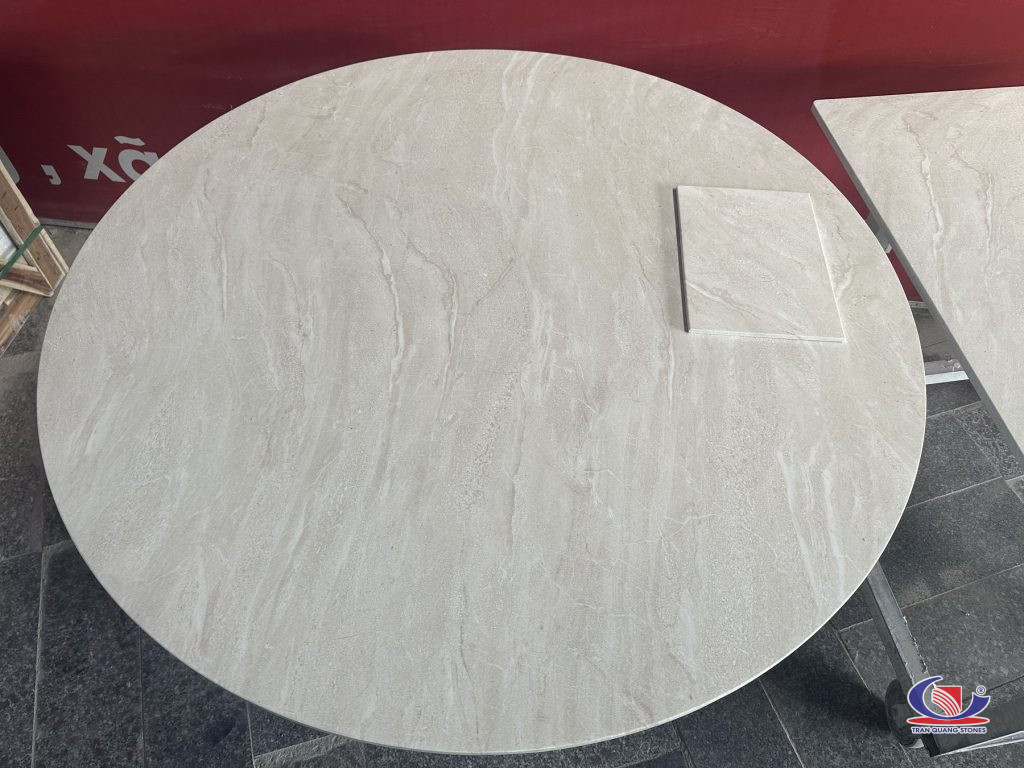
The signature of cement-coated furniture is its natural character: a fine, slightly textured surface with a matte finish. The style feels modern and minimal and suits industrial and contemporary interiors especially well. Neutral tones also make it easy to pair with wood, metal and textiles.
Practical advantages
Beyond its looks, cement-coated furniture is durable and easy to live with. The surface resists scratches, is simple to clean and — when properly sealed — can be used in kitchens and bathrooms. The material is also flexible in design, allowing many different textures and effects.
Conclusion
Cement-coated furniture strikes a balance between beauty and function, turning familiar pieces into something distinctive and modern without sacrificing practicality. In a design climate that values simplicity and honest materials, it is a choice well worth considering — and one of the finishes we produce for customers worldwide.