Journal · Design · 17/04/2026
Is This Product Worth the Price?
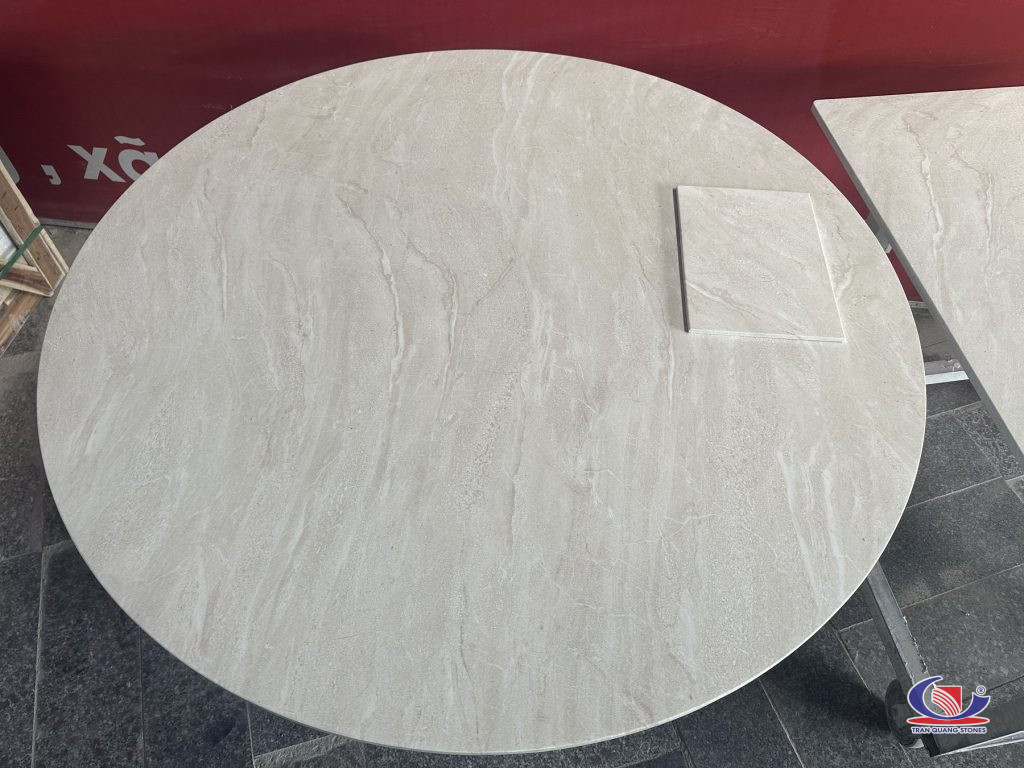
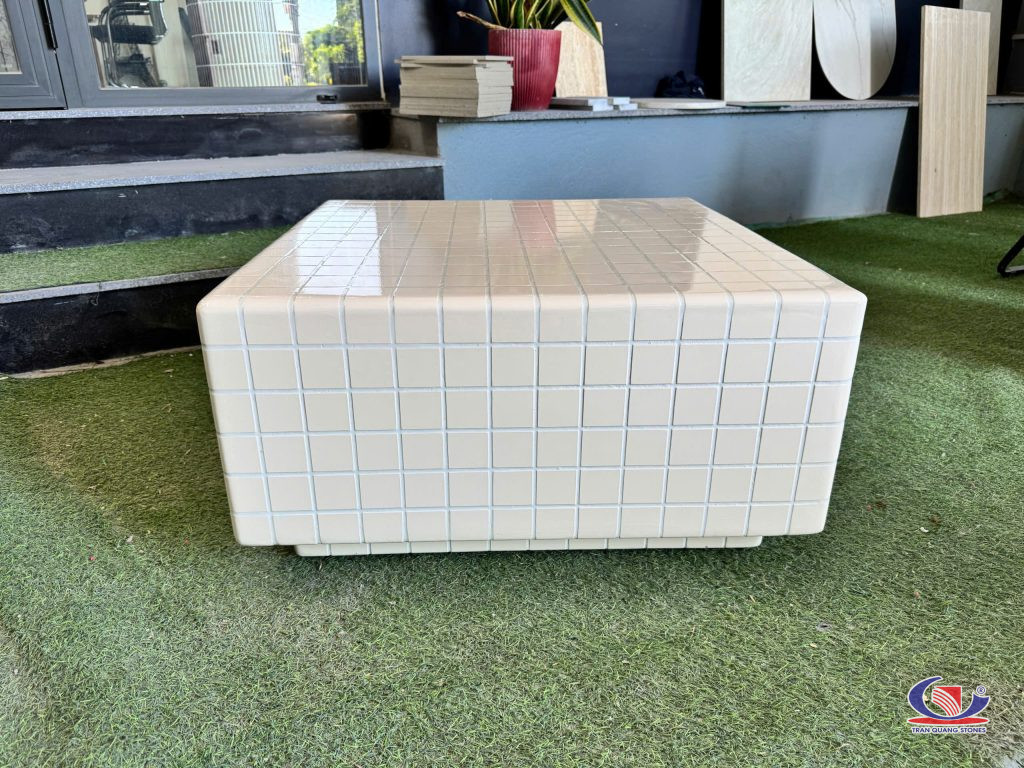
When you stand before a stone-look cement table, a marble top or a custom wicker piece, the natural question is: "Is this worth the money?"

When you stand before a hydrographic stone-look cement table, a marble top or a custom-woven wicker piece, the most natural question that arises is:
"Is this worth the money I'm spending?"
No one wants to pay a high price for something that doesn't measure up. But "worth it" isn't just about the number on the price tag — it's about how you evaluate it.
—
1. Don't just look at the price — look at _usage time_
A piece of furniture is not like clothing or food. You might use it for:
- a few years
- even 10–20 years
Ask yourself:
> "If I use this every day for 5 years, is this price still expensive?"
A marble table costs more initially, but if it retains its beauty long-term, doesn't warp, and doesn't deteriorate quickly — then in the long run, it may be _cheaper_ than alternatives.
—
2. Understand the material you're buying
You don't need to be an expert, but you should know the basics:
- Cement: strong, characterful, suited to modern spaces — but requires good crack and water resistance treatment
- Marble (natural stone): beautiful, luxurious, each slab is unique — but can be sensitive to stains if not maintained properly
Understanding the material helps you know what you're paying for — and whether it suits your needs.
—
3. Ask: "Do I genuinely like it?"
It sounds simple, but many people overlook it.
You will see this piece every day. If you:
- find it beautiful
- feel it suits the space
- and still like it every time you look at it
then that's already a large part of its "value".
Don't buy just because:
- it's trending
- others say it's beautiful
- or it's a bit cheaper
—
4. Check the practical aspects
A beautiful but inconvenient piece will quickly become a problem.
Ask yourself:
- Are the dimensions suitable?
- Is it easy to clean?
- Is it too heavy or difficult to move?
- Does it fit your usage habits?
For example: a light-colored marble top is beautiful, but if you cook frequently or drink coffee, you need to be prepared to care for it.
—
5. Does "uniqueness" matter to you?
Some products:
- are handmade
- have natural stone veining that is never duplicated
- or are custom-designed
If you appreciate distinction, this is significant value.
If you just need something that "works", you may not need to pay extra for this element.
—
6. The feeling after purchase is the real answer
Imagine:
- You bring the piece home
- Place it in your space
Will you feel:
- "Worth it"
or
- "I wish I'd chosen something else"
This feeling is often more accurate than any analysis.
—
Conclusion
No product is "worth it for everyone".
But for you, a product is worth it when:
- you understand it well
- you genuinely like it
- it fits the way you live
- and you're willing to use it long-term
At that point, price is no longer the biggest question.
It's simply what you pay to own something you _truly want to keep in your life_.