Journal · Materials · 14/04/2026
Marble: Experience, Pricing, and What to Consider
Marble has long been a symbol of luxury and timeless elegance. But choosing marble is not just about color — it requires an understanding of quality, pricing and intended use.

Marble has long been regarded as a symbol of luxury, refinement and timelessness. Whether used for countertops, kitchen surfaces, flooring or outdoor furniture, marble always brings unique natural beauty and considerable durability. However, choosing a marble slab is not simply a matter of selecting a color — it requires an understanding of quality, pricing and intended use. Knowing these factors will help you make the right decision and optimize costs.
—
Market Pricing for Marble
Marble prices vary widely, depending on factors such as stone type, origin, thickness, surface finish and rarity.
Typically, prices can be categorized into tiers:
- Standard marble: approximately 1,000,000 – 1,500,000 VND/m²
- Mid-range marble: 1,500,000 – 2,500,000 VND/m²
- Premium marble: above 2,500,000 VND/m²
Some domestic stones or large-quantity production may be cheaper, while premium imported lines (especially from Europe) can be very expensive.
Additionally, factors such as thickness, slab size, gloss level, transportation and processing costs also directly affect the final price.
—
Key Factors When Choosing Marble
1. Quality and stone structure
Quality is the most important factor. A good marble slab should have:
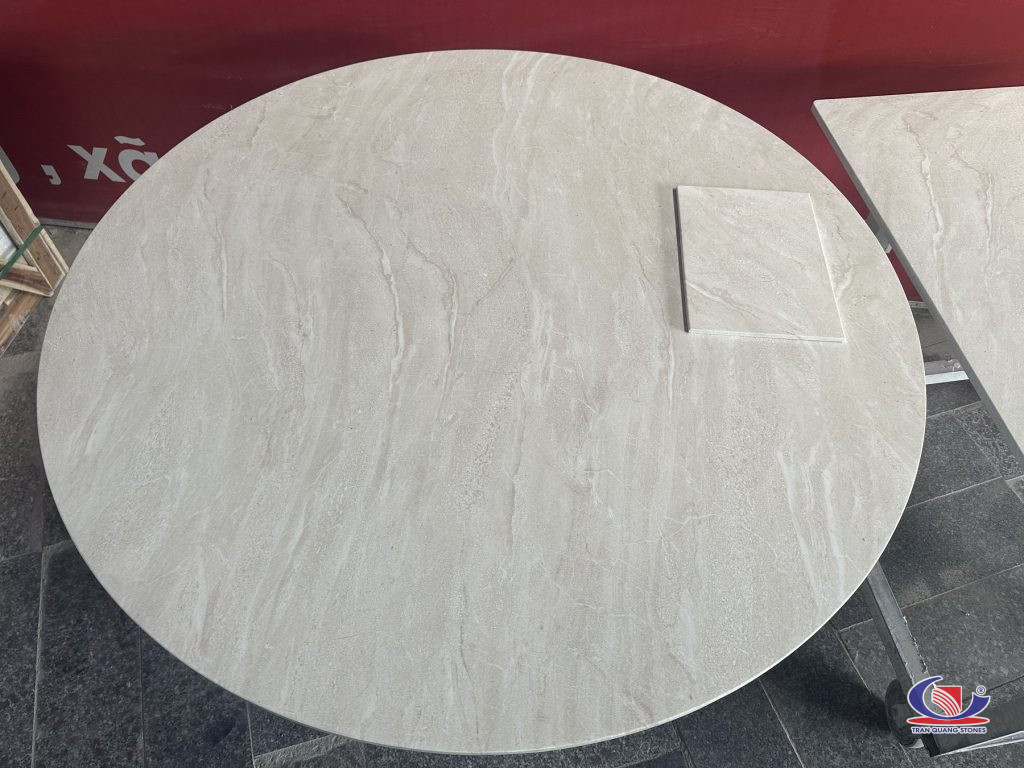
- Natural, harmonious veining
- Consistent color
- Few cracks, few voids
Poor-quality stone often has many defects, is prone to cracking and affects long-term durability.
—
2. Thickness and dimensions
Common marble thicknesses:
- 2 cm → for wall cladding, decorative use
- 3 cm → for countertops, kitchen surfaces (better load-bearing)
Standard dimensions:
- Length: approximately 2.4 – 2.5 m
- Width: approximately 1.2 – 1.4 m
Choosing the right dimensions reduces waste and enhances aesthetics.
—
3. Stone origin
Origin significantly affects quality and price:
- Italian marble → premium, high price
- Vietnamese marble → good quality, competitive price
- Indian marble → common, mid-range price
It's important to verify origin to avoid buying low-quality stone or mislabeled products.
—
4. Surface finish
Marble has several finish types:
- Polished → glossy, luxurious
- Honed → matte surface, modern
- Textured / brushed → anti-slip, suitable for outdoors
Each type affects aesthetics and maintenance.
—
5. Intended use
Choose the appropriate marble depending on the application:
- Kitchen surfaces → needs water resistance, load-bearing
- Tabletops → prioritize aesthetics
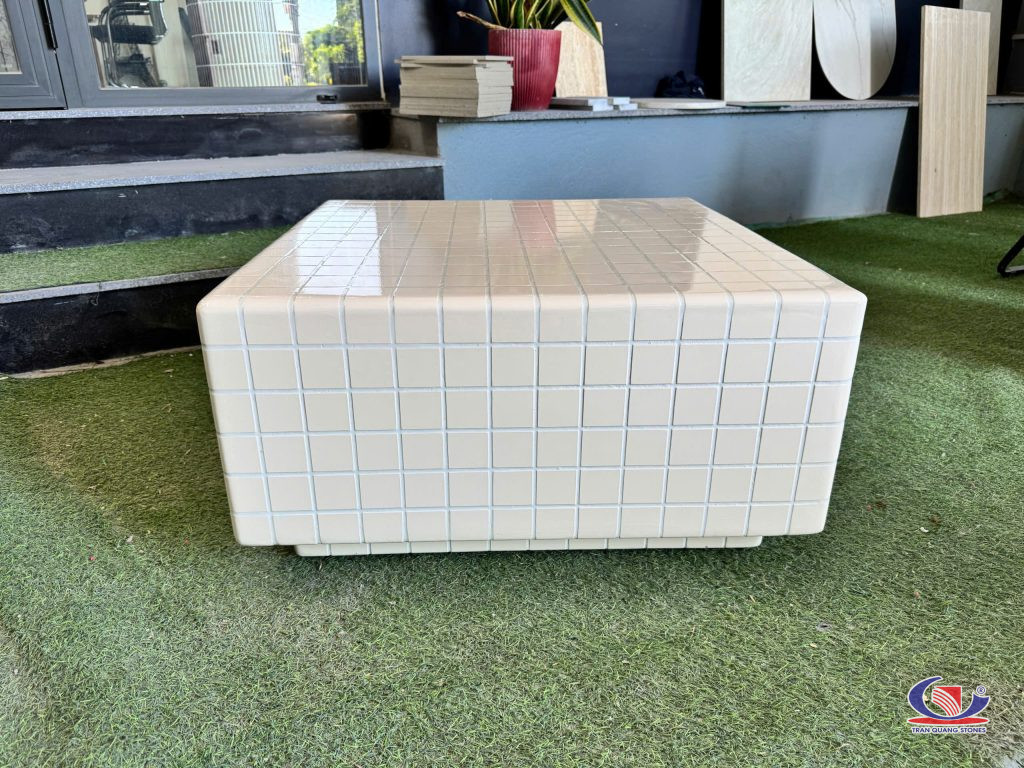
- Outdoor furniture → needs weather resistance
Choosing the wrong type can lead to quick damage and costly maintenance.
—
6. Supplier reputation
Working with a reputable supplier is important:
- Request actual photos of the slab
- Check quality certifications
- Review completed projects
Avoid products with suspiciously low prices, as they may be low-quality stone.
—
Additional Costs
Beyond the stone price, you should also consider:
- Processing (cutting, edge profiling, drilling)
- Transportation
- Installation
- Material waste
The total actual cost may be significantly higher than the initial slab price.
—
Practical Experience When Buying Marble
To ensure the best choice:
- Always view the actual slab or detailed video
- Request samples before ordering large quantities
- Compare multiple suppliers
- Plan the vein layout in advance
- Calculate carefully to optimize material usage
—
Conclusion
Buying a marble slab is not just a material choice — it's an investment in long-term aesthetics and quality. With a wide range of prices and many factors to consider, buyers need to understand the product to make an appropriate choice. When you choose the right marble, you not only elevate the space but also ensure durability and value for years to come.