Journal · Materials · 17/04/2026
Stone Furniture: A Sustainable Choice or Just a Bold Appearance?
Stone furniture — from cement tables to terrazzo and marble tops — always conveys an impression of solidity and permanence. But is it truly durable, and is it difficult to maintain?

Stone furniture — from cement tables to terrazzo and marble tops — always creates an impression of solidity and permanence. But when faced with a purchasing decision, many people still wonder:
"Are these pieces truly durable? And are they difficult to maintain?"
The answer is not a simple "yes" or "no". It depends on how the material is processed and how you use it.
—
1. Durability: Not all "stone" is the same
When people hear "stone", many think of something hard and unbreakable. But in furniture, each material has its own characteristics:
- Cement: very hard and load-bearing, but if poorly processed, small cracks may appear over time
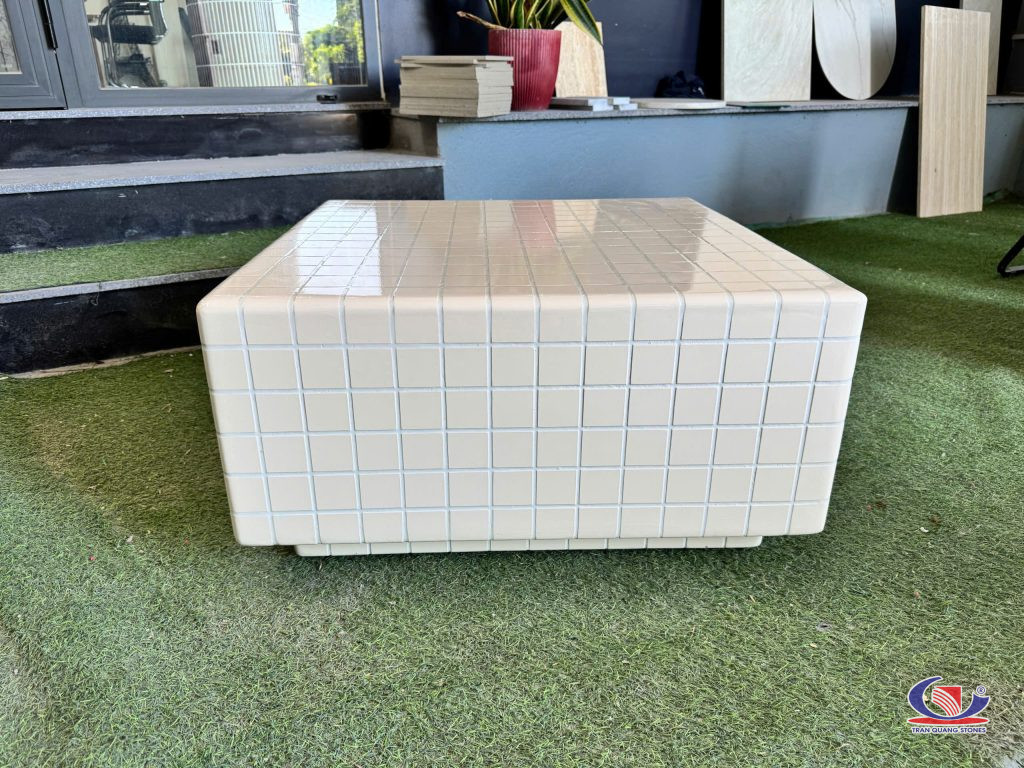
- Terrazzo: a combination of stone and binder, offering high durability and greater stability than pure cement
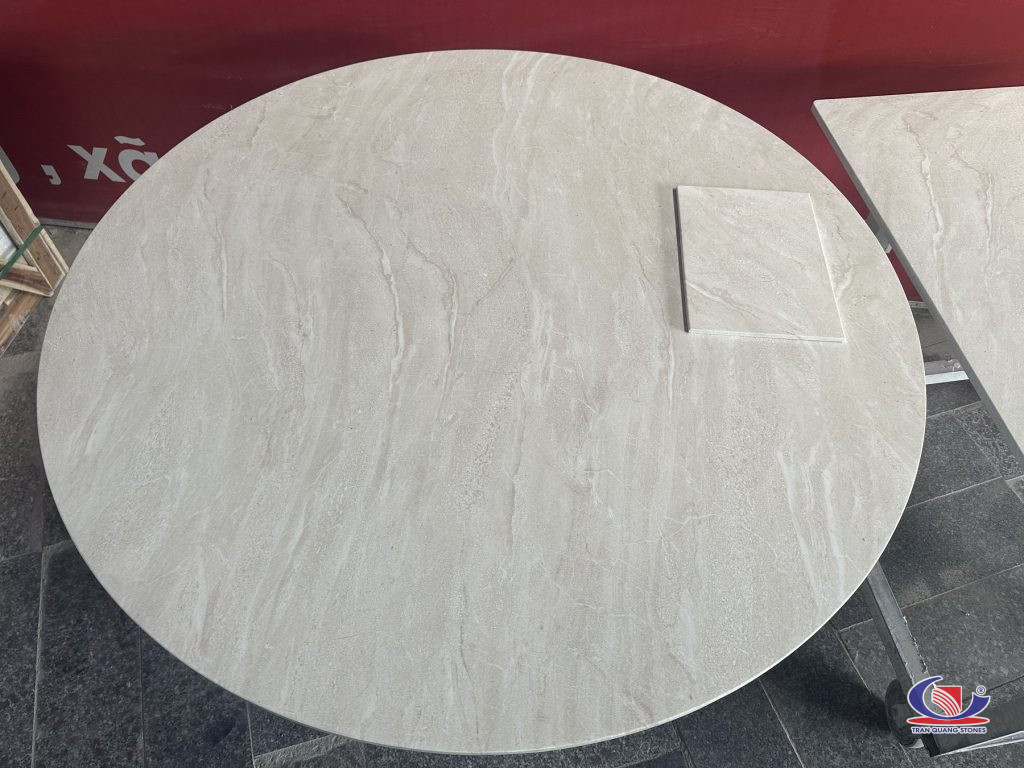
- Marble (natural stone): hard but not "invincible" — it can be lightly scratched or affected by strong chemicals
The key point is:
> Durability lies not just in the material, but in the quality of processing and surface finishing.
A well-processed product can last for decades. Conversely, a poorly made product can deteriorate quickly, even with the same material.
—
2. Water and stain resistance
This is the factor that concerns many people.
In practice:
- Most modern stone furniture is treated with a seal coat (waterproofing)
- This layer limits water and stains from penetrating the surface
However:
- Marble can be sensitive to coffee, wine or acid if left too long
- Poorly processed cement can absorb water
- Terrazzo is generally easier to control thanks to its well-finished surface
This doesn't mean it's difficult to use — you just need to wipe spills promptly and everything will be fine.
—
3. Is maintenance really complex?
Many people imagine that stone furniture requires "fussy" care. The reality is simpler:
- Wipe with a damp cloth for daily cleaning
- Avoid overly strong chemicals (especially with marble)
- Occasionally check and reapply sealant if needed (depending on the product)
Compared to many other materials, stone does not:
- suffer from termites like wood
- warp due to humidity
- fade quickly if used correctly
—
4. Things to note during use
To keep stone furniture beautiful and durable, just pay attention to a few points:
- Don't drag sharp objects directly across the surface
- Use coasters for dark-colored drinks
- Avoid strong impacts at the edges (especially marble)
- Clean spills as soon as possible
These habits are not difficult, but they significantly extend the product's lifespan.
—
5. Durability over time — the greatest advantage
The real strength of stone furniture is its ability to age beautifully.
After many years:
- the surface may develop a deeper patina
- the stone veining retains its character
- the product remains solid and stable
Unlike many materials that become dated or deteriorate quickly, stone typically retains its long-term value — both functionally and aesthetically.