Journal · Design · 12/06/2024
Terrazzo: Why It Became One of the Defining Surface Trends
Beautiful, hard-wearing and cost-effective — why terrazzo has returned to the centre of contemporary design, and how designers are using it today.

Terrazzo — also known as granito — has become one of the most sought-after surface materials of recent years. Designers favour it for its distinctive look, its durability and its reasonable cost.
Why terrazzo is in demand
- Distinctive appearance. Stone chips of different colors and sizes create a striking visual effect that no two pieces repeat exactly.
- Durability. Terrazzo has high load-bearing strength, good scratch resistance and a long service life.
- Easy to clean. A smooth, polished surface does not hold dirt and is simple to care for.
- Good value. Compared with many natural stones, terrazzo costs considerably less while delivering comparable quality and character.
Where terrazzo is used
- Flooring: suitable for both interior and exterior areas, especially high-traffic spaces such as living rooms, lobbies and kitchens.
- Wall cladding: a refined accent for feature walls.
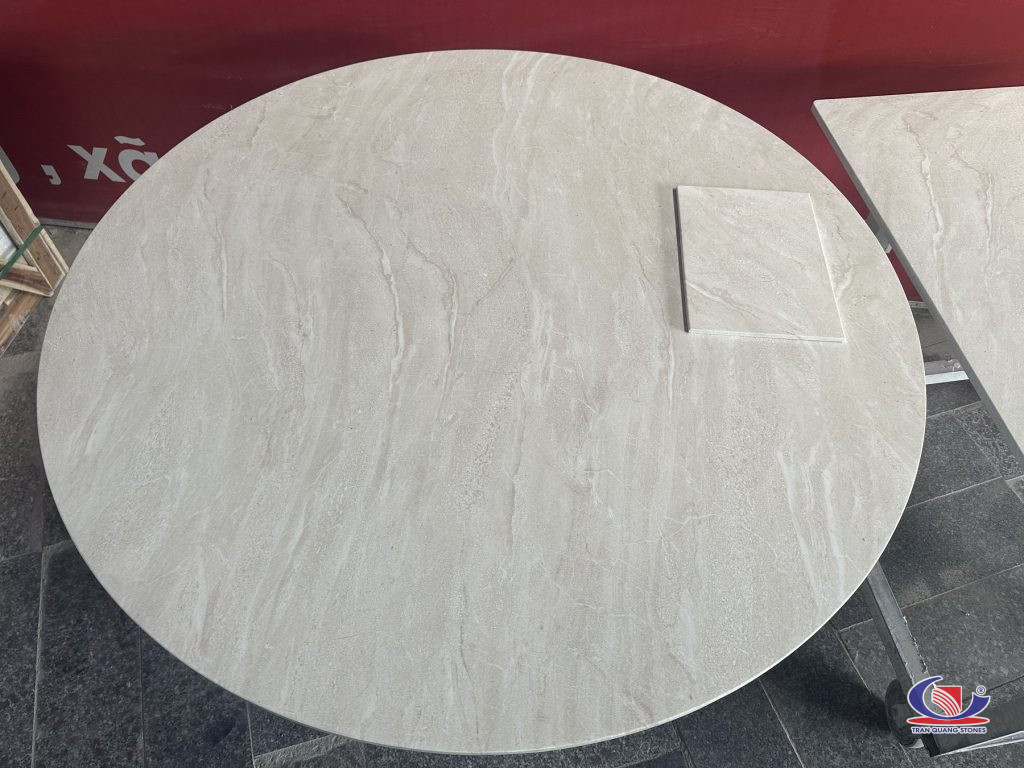
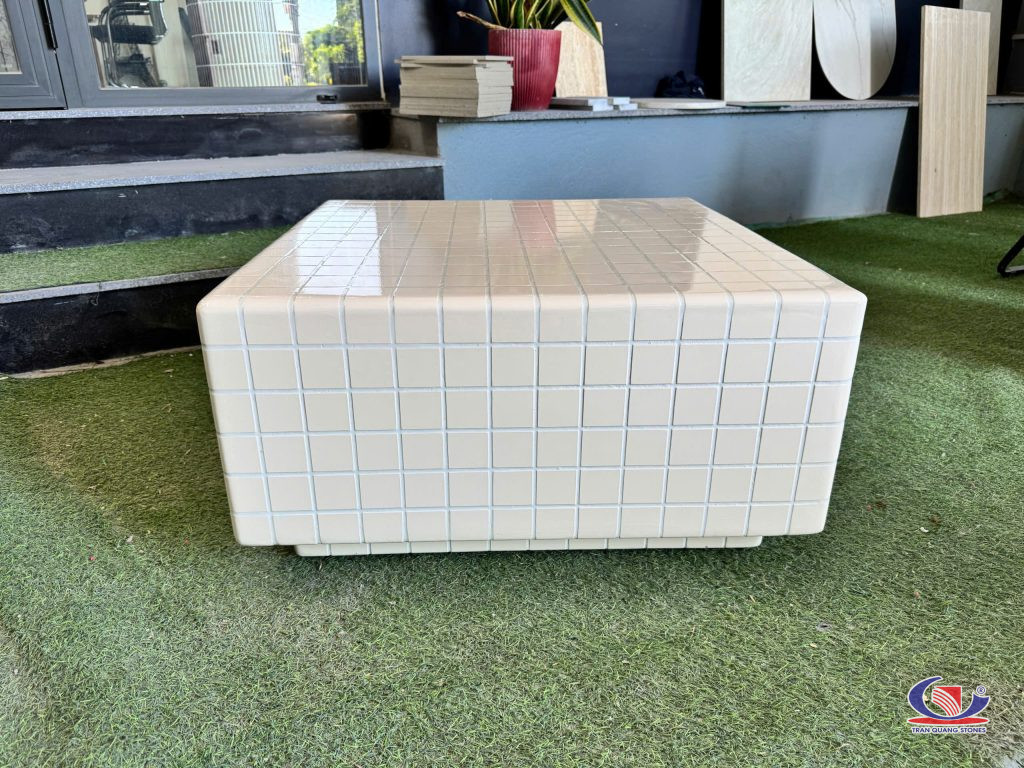
- Table tops: kitchen counters, dining tables, coffee tables and vanity tops.
- Decorative objects: planters, sculptures and accessories that add a unique focal point.
How designers are using terrazzo now
- Large formats. Oversized pieces and slabs make spaces feel generous and premium.
- Material combinations. Terrazzo paired with wood, metal or glass creates rich, layered interiors.
- Beyond the home. Restaurants, hotels and offices increasingly specify terrazzo for both its look and its performance.
Things to consider
- Choose a terrazzo mix that suits the intended use and the design style of the space.
- Work with an experienced manufacturer to ensure consistent quality.
- Maintain and reseal the surface periodically to keep it looking its best.
With its versatility and lasting appeal, terrazzo remains a first-choice material for furniture and surfaces — and one we continue to develop at our factory in Vietnam.