Journal · Design · 11/04/2026
The Rise of Terrazzo Stone Seating in Vietnam’s Modern Design Landscape
In recent years, terrazzo has seen a strong revival globally and particularly in Vietnam. From a traditional flooring material, it has been reimagined for furniture and decorative objects.

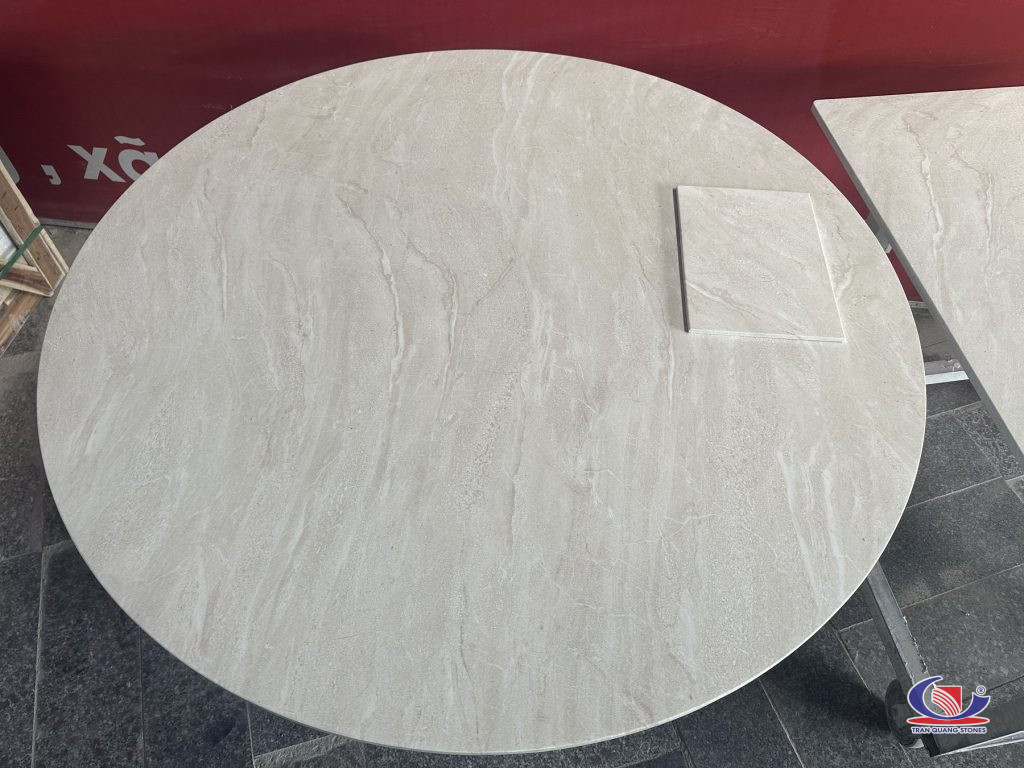
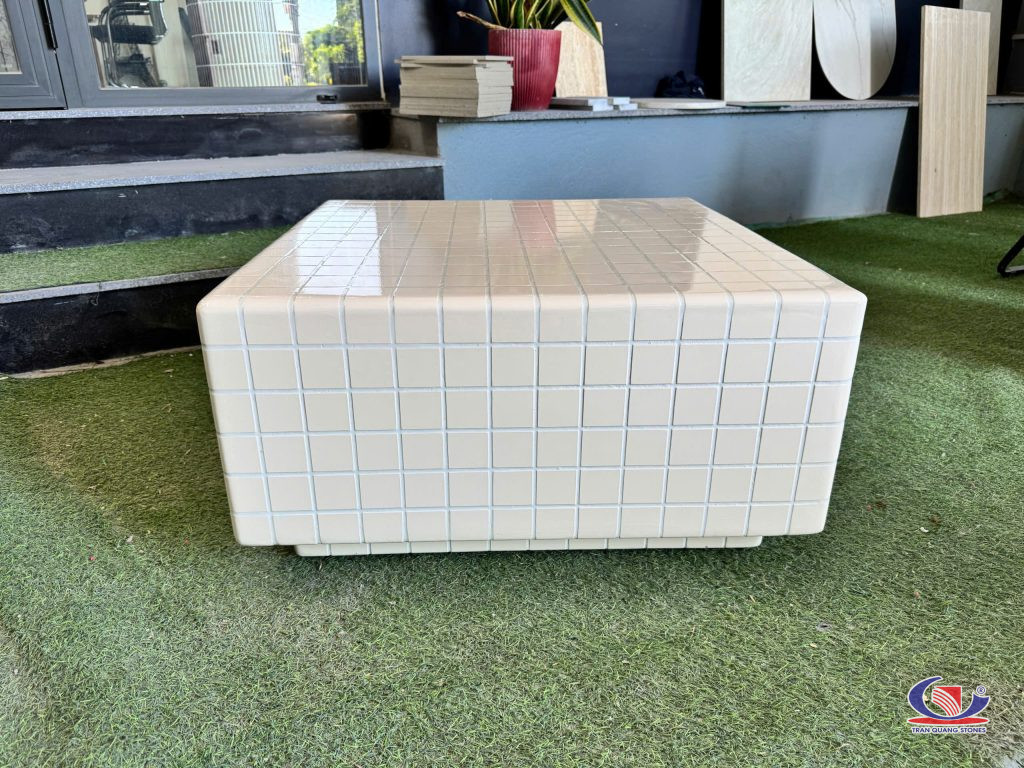
In recent years, the terrazzo material has experienced a strong revival globally, and particularly in Vietnam. From a traditional material primarily used for flooring, terrazzo has been reimagined for applications across interior design, including tables, planters and especially terrazzo stone seating. The popularity of terrazzo seating reflects not only a new aesthetic trend but also connects to values of sustainability and practicality in modern living.
—
1. The foundation of terrazzo development in Vietnam
The terrazzo industry in Vietnam has a history spanning decades and is growing strongly due to increasing demand in construction and interior decoration. The domestic terrazzo market is substantial, driven by rapid urbanization, particularly in major cities such as Ho Chi Minh City, Hanoi and Da Nang. Initially, terrazzo was mainly used for pavements, schools and public buildings, but today it has expanded into premium interior products.
—
2. The shift from construction material to interior design
One of the key factors behind the popularity of terrazzo seating is the shift in how the material is perceived. If terrazzo was once considered monotonous, it is now highly valued for its aesthetic diversity with rich colors and patterns. Thanks to its high customizability (combining stone, glass, metal), terrazzo has become an ideal material for artistic interior products, with terrazzo stone seating standing out as a choice that is both modern and distinctive.
—
3. Aesthetic appeal and design trends
The popularity of terrazzo seating is also tied to modern interior design trends. Terrazzo brings a sense that is both "retro" and contemporary, suitable for many styles such as minimalist, tropical or Indochine. The stone surface with random colored aggregates creates a unique visual effect, making spaces more vibrant while remaining refined. According to design experts, terrazzo is becoming one of the preferred premium decorative materials in the current period.
—
4. Sustainability and environmental friendliness
One of the important reasons terrazzo seating is favored is the sustainability factor. Terrazzo is produced from natural or recycled materials such as stone chips, sand and cement, while also offering a long lifespan and low maintenance requirements. In a context where consumers are increasingly concerned about the environment, products like terrazzo seating meet "green" and sustainable criteria well.
—
5. High applicability in living and public spaces
Terrazzo stone seating appears increasingly in spaces such as cafés, resorts, gardens and public areas. Thanks to its good load-bearing capacity, weather resistance and easy cleaning, this type of seating is suitable for both indoor and outdoor use. Additionally, its simple but sturdy design makes terrazzo seating a popular choice for urban landscape projects.
—
6. The combination of craftsmanship and industry
A distinctive aspect of terrazzo in Vietnam is the combination of traditional handcrafting techniques and modern technology. Many businesses have developed terrazzo product lines for export, including seating and decorative items, contributing to bringing the material to the international market. This not only enhances the value of terrazzo seating but also affirms the position of Vietnam's furniture manufacturing industry.
—
The popularity of terrazzo stone seating in Vietnam is the result of many combined factors: modern design trends, demand for sustainable materials, and the development of the construction and interior industries. From a material that seemed outdated, terrazzo has transformed into a symbol of a new lifestyle — where aesthetics, functionality and environmental awareness coexist. In the future, terrazzo seating promises to maintain its position and develop even more strongly in Vietnamese living spaces.